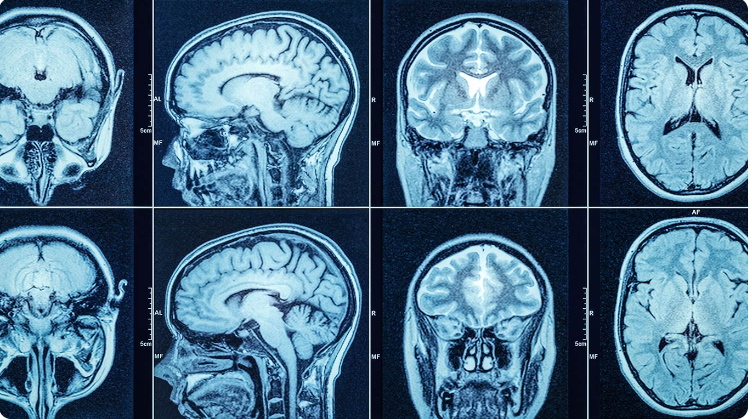
A CT scan (short for computed tomography scan) is a medical test that uses X-rays and a computer to create detailed images of the inside of the body. It is also sometimes called a CAT scan.
What a CT scan does:
It takes many X-ray pictures from different angles around your body.
A computer then combines these pictures into cross-sectional images (like slices) of bones, blood vessels, and soft tissues.
Why it is used:
Doctors use CT scans to:
Check for injuries (like broken bones or internal bleeding)
Look for tumors, infections, or diseases in organs
Help guide surgery, biopsies, or radiation therapy
Diagnose conditions such as cancer, stroke, or heart disease
What to expect:
You lie still on a table that slides into a large, donut-shaped machine.
It is painless, quick (usually 10–30 minutes), and non-invasive.
Sometimes, a contrast dye may be used to make the images clearer. This may be given by mouth, injection, or enema, depending on the type of scan.
Is it safe?
CT scans involve more radiation than regular X-rays, but the amount is still generally low and considered safe for most people.
Doctors only recommend a CT scan when the benefits outweigh the risks.